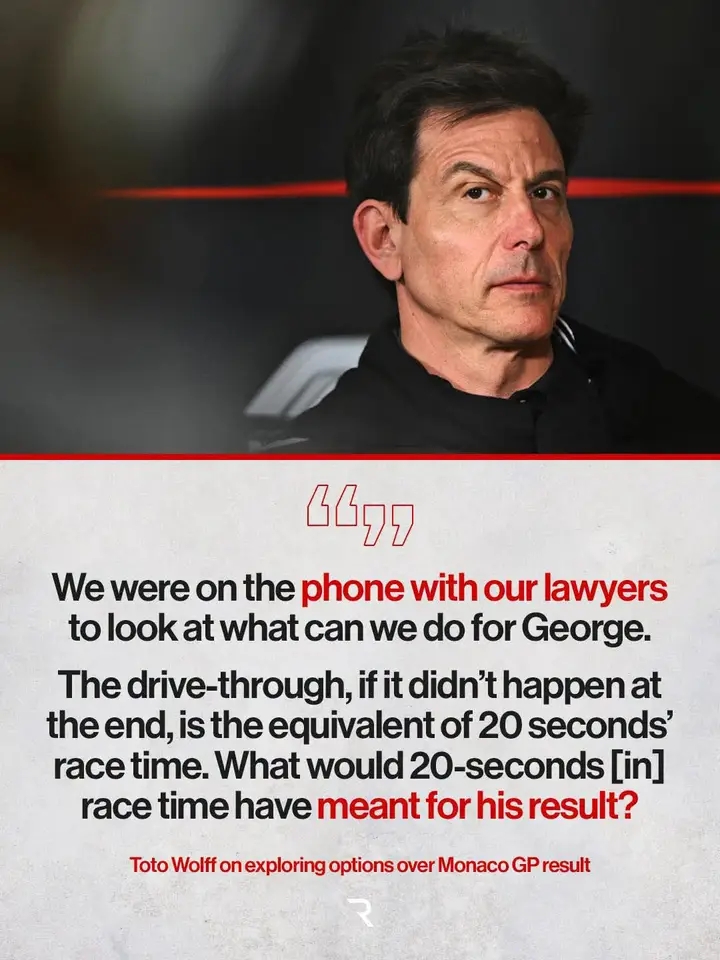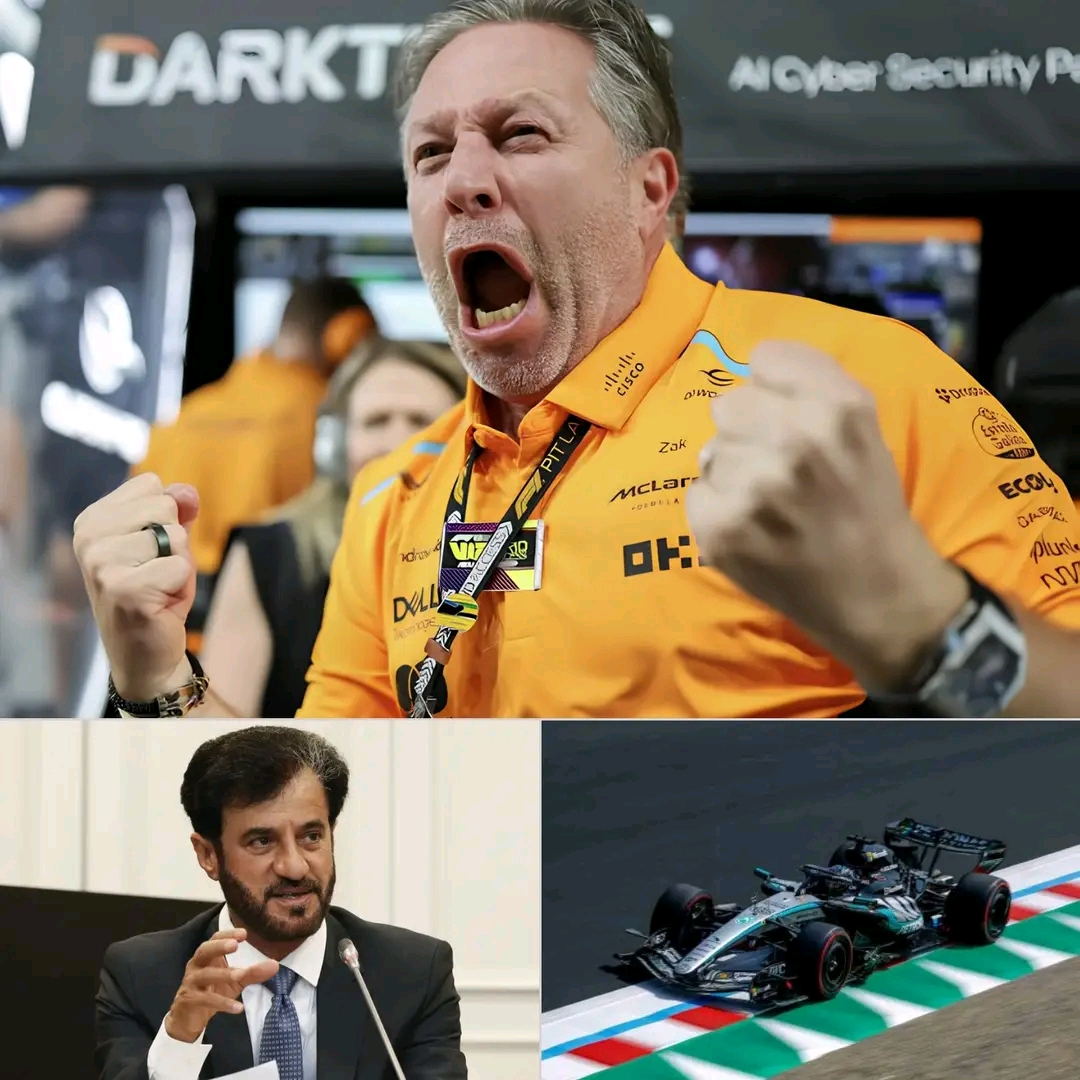
The FIA has once again found itself at the center of Formula 1 controversy after agreeing to review George Russell’s Monaco Grand Prix penalty, a decision that has triggered strong reactions across the paddock.
Among the most vocal critics was McLaren CEO Zak Brown, who openly questioned the governing body’s consistency and suggested that if one controversial decision can be revisited weeks later, then other disputed rulings from previous seasons should also be open for review.
The situation quickly escalated when FIA President Mohammed Ben Sulayem responded firmly to the criticism, rejecting claims that the governing body was undermining its own credibility. The exchange has reignited a long-running debate about transparency, consistency, and accountability in Formula 1 officiating.
WHY THE GEORGE RUSSELL CASE HAS BECOME SO CONTROVERSIAL
Formula 1 penalties are often controversial, but what makes this case particularly significant is the timing.
Teams typically operate under the assumption that race results become effectively settled after official procedures are completed. When a penalty is reviewed long after the event, it raises questions about where the line should be drawn.
For Brown and others, the concern is not necessarily whether Russell deserves a review. Instead, the concern is whether similar opportunities have been denied in previous cases involving other teams and drivers.
That issue strikes at the heart of sporting fairness.
If teams begin to believe that some decisions can be reopened while others cannot, confidence in the system inevitably comes under scrutiny.
FIA DEFENDS ITS POSITION
The FIA maintains that there are established mechanisms allowing teams to request reviews under specific circumstances.
From the governing body’s perspective, agreeing to examine new evidence does not automatically mean a previous decision was wrong. Rather, it reflects a commitment to ensuring that all available information is considered before a final determination is made.
FIA officials have repeatedly argued that the review process exists precisely to protect sporting integrity, not weaken it.
However, critics counter that public perception matters almost as much as the regulations themselves. Even when procedures are followed correctly, inconsistent communication can create confusion among fans, teams, and drivers.
WHY ZAK BROWN’S COMMENTS RESONATE ACROSS THE PADDOCK
Brown’s criticism is likely to find support among several teams because Formula 1 has experienced numerous controversial stewarding decisions in recent years.
Whether involving track limits, racing incidents, safety car procedures, or technical regulations, debates over consistency have become increasingly common.
Teams invest hundreds of millions of dollars chasing championship success. When a penalty affects race results, championship standings, sponsorship exposure, and prize money, every decision carries enormous consequences.
Brown’s argument essentially asks a simple question:
If new evidence can justify revisiting one case, should other disputed decisions receive the same treatment?
That question may prove difficult for the FIA to answer in a way that satisfies everyone.
IMPACT ON GEORGE RUSSELL AND MERCEDES
For George Russell, the review presents both opportunity and pressure.
A successful outcome could improve his standing in the championship and strengthen Mercedes’ position in the Constructors’ battle.
However, the controversy also places additional scrutiny on both driver and team. Any favorable ruling could lead rival teams to question why similar reviews were not granted in the past.
Mercedes, meanwhile, will likely focus on ensuring that all procedural requirements are met while avoiding becoming drawn into a broader political battle between teams and the FIA.
The Silver Arrows understand that championship campaigns are often decided by small margins, making every point crucial.
WHAT THIS MEANS FOR THE CHAMPIONSHIP FIGHT
Although a single penalty review may appear minor in isolation, Formula 1 history shows that championship battles can be decided by incredibly small margins.
Every point matters.
A revised result could influence not only driver standings but also team strategies for upcoming races.
More importantly, the case may establish a precedent for future appeals and reviews.
If teams believe there is a greater chance of overturning decisions after races, they may become more aggressive in challenging steward rulings.
That could increase legal and procedural disputes throughout the remainder of the season.
THE BIGGER ISSUE: TRUST IN FORMULA 1 GOVERNANCE
Beyond Russell’s specific situation, this controversy highlights a broader challenge facing Formula 1.
The sport has grown dramatically in recent years, attracting millions of new fans worldwide. With that growth comes increased scrutiny of how races are officiated.
Fans expect consistency.
Drivers expect fairness.
Teams expect transparency.
Whenever disagreements emerge between team bosses and the FIA, questions about governance naturally follow.
The governing body’s ability to maintain trust may ultimately be more important than the outcome of any individual review.
COULD THIS LEAD TO REGULATORY CHANGES?
One possible outcome is a renewed discussion about the review process itself.
Teams may push for clearer guidelines regarding:
- When penalties can be reviewed
- What constitutes significant new evidence
- How long after an event a review can occur
- Whether previous comparable cases should be considered
Establishing clearer standards could help reduce future disputes and improve confidence in the system.
Formula 1 has continuously evolved its sporting regulations over the years, and this latest controversy may become another catalyst for change.
PREDICTION: THE DEBATE IS FAR FROM OVER
Regardless of the final outcome of Russell’s review, the political fallout is unlikely to disappear anytime soon.
Zak Brown’s comments have tapped into concerns that many within Formula 1 already share. At the same time, the FIA will remain determined to defend its authority and decision-making processes.
As the championship intensifies, every controversial ruling will receive even greater attention.
What began as a review of one penalty has now evolved into a larger conversation about consistency, fairness, and the future credibility of Formula 1 officiating.
And with championship points, team reputations, and governing authority all at stake, this debate may continue long after the Monaco controversy itself is resolved.